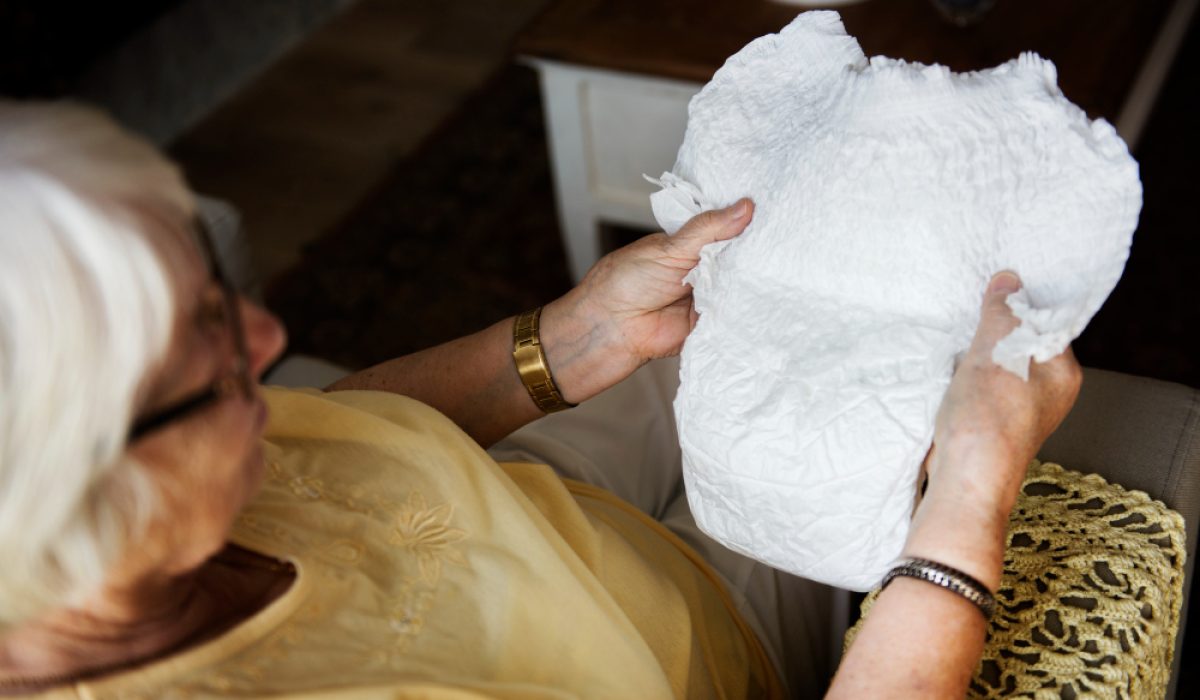
What is Urinary Incontinence?
Urinary incontinence means losing control over your bladder. This can lead to leaking urine by accident. Many people feel embarrassed, but it is a common health problem. In fact, millions of people worldwide deal with urinary incontinence. Although it can happen at any age, it is more common in older adults. There are several types of urinary incontinence, and each has different causes and symptoms.
Common Symptoms
Urinary incontinence symptoms can vary from person to person. However, most people notice one or more of these signs:
Sometimes, these symptoms can be mild. Other times, they may affect daily life. If you notice any of these signs, it is important to talk to a doctor.
Causes and Risk Factors
Many things can cause urinary incontinence. Some causes are short-term, while others last longer. For example, drinking too much caffeine or alcohol can make symptoms worse. In addition, certain health problems can lead to incontinence. Here are some common causes and risk factors:
Because risk factors can differ by region, people in some areas may face higher risks due to lifestyle or health conditions. For example, people with limited access to healthcare may have untreated infections that increase their risk.
Diagnosis Methods
Doctors use several methods to diagnose urinary incontinence. First, they ask about your symptoms and medical history. Next, they may do a physical exam. In some cases, they will ask you to keep a bladder diary. This means writing down when you urinate and when leaks happen. Other tests may include:
With these tests, doctors can find the type of urinary incontinence and choose the best treatment.
Treatment Options
Treatment for urinary incontinence depends on the cause and type. Often, doctors suggest starting with simple changes. However, some people may need medicine or surgery. Here are common treatment options:
For many people, a mix of these treatments works best. Always talk to your doctor before starting any new treatment for urinary incontinence.
Lifestyle Tips and Prevention
While not all cases can be prevented, some steps may help manage urinary incontinence. For example, making healthy lifestyle choices can lower your risk. Try these tips:
In addition, wearing absorbent pads or special underwear can help you stay comfortable. If you travel or live in areas with limited bathroom access, plan ahead to avoid accidents.
When to See a Doctor
Sometimes, urinary incontinence is a sign of a more serious health problem. Therefore, you should see a doctor if:
Early treatment can help you manage symptoms and improve your quality of life.
Consult a healthcare specialist for personalized advice on urinary incontinence.