Introduction
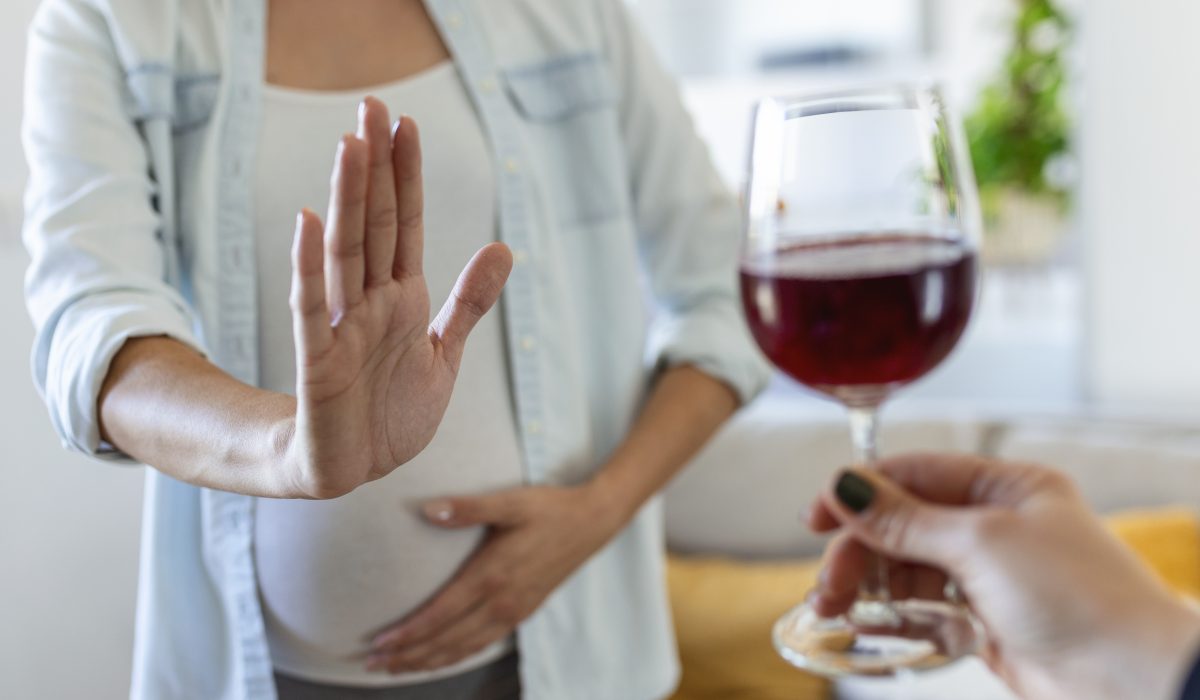
Alcohol and pregnancy do not mix. The effects of alcohol in pregnancy can harm both the mother and the baby. Even small amounts may cause problems. Because of this, experts like the CDC and WHO say it is safest not to drink at all during pregnancy. Understanding these risks helps you make healthy choices for you and your baby.
What Happens When You Drink Alcohol During Pregnancy?
When a pregnant woman drinks alcohol, it passes quickly through her blood to the baby. The baby’s body is still growing, so it cannot break down alcohol like an adult can. As a result, alcohol can affect the baby’s brain, heart, and other organs. Over time, this can lead to serious health problems. For example, some babies may develop lifelong learning or behavior issues.
Common Symptoms and Risks for the Baby
Drinking alcohol during pregnancy can cause many problems for the baby. These problems are sometimes called fetal alcohol spectrum disorders (FASDs). The most severe form is fetal alcohol syndrome.
In addition, some babies may have facial changes, such as a smooth ridge between the nose and upper lip. These symptoms can last a lifetime. Therefore, avoiding alcohol is very important for your baby’s health.
How Alcohol Affects the Mother
Alcohol can also harm the mother during pregnancy. For instance, it may increase the risk of miscarriage or stillbirth. Drinking can also make morning sickness worse. Some women may feel tired or have trouble sleeping. Over time, heavy drinking can damage the liver and other organs. Because of these risks, it is best to avoid alcohol completely while pregnant.
Diagnosis and Detection of Alcohol Exposure in Pregnancy
Doctors may ask about alcohol use during pregnancy. They may also look for signs in the baby after birth. For example, they check for growth problems or learning delays. Sometimes, special tests or checkups help find issues early. Early diagnosis can help families get the right support and care.
Prevention: How to Avoid Alcohol During Pregnancy
Preventing the effects of alcohol in pregnancy is simple. Do not drink any alcohol while pregnant. If you are planning to get pregnant, it is best to stop drinking before you try. If you find it hard to quit, ask your doctor for help. There are many ways to stay alcohol-free, such as:
Remember, even small amounts of alcohol can be risky. So, it is safest to avoid it completely.
Lifestyle Tips and Support Resources
Staying healthy during pregnancy is important. Here are some tips to help you avoid alcohol and keep your baby safe:
Many groups and websites offer help for pregnant women. For example, you can find advice, hotlines, and support groups online or in your area.
Conclusion and Call-to-Action
Alcohol and pregnancy do not mix. The effects of alcohol in pregnancy can last a lifetime for your baby. However, you can prevent these risks by avoiding alcohol completely. If you need help or have questions, consult a healthcare professional for personalized advice on alcohol use during pregnancy.