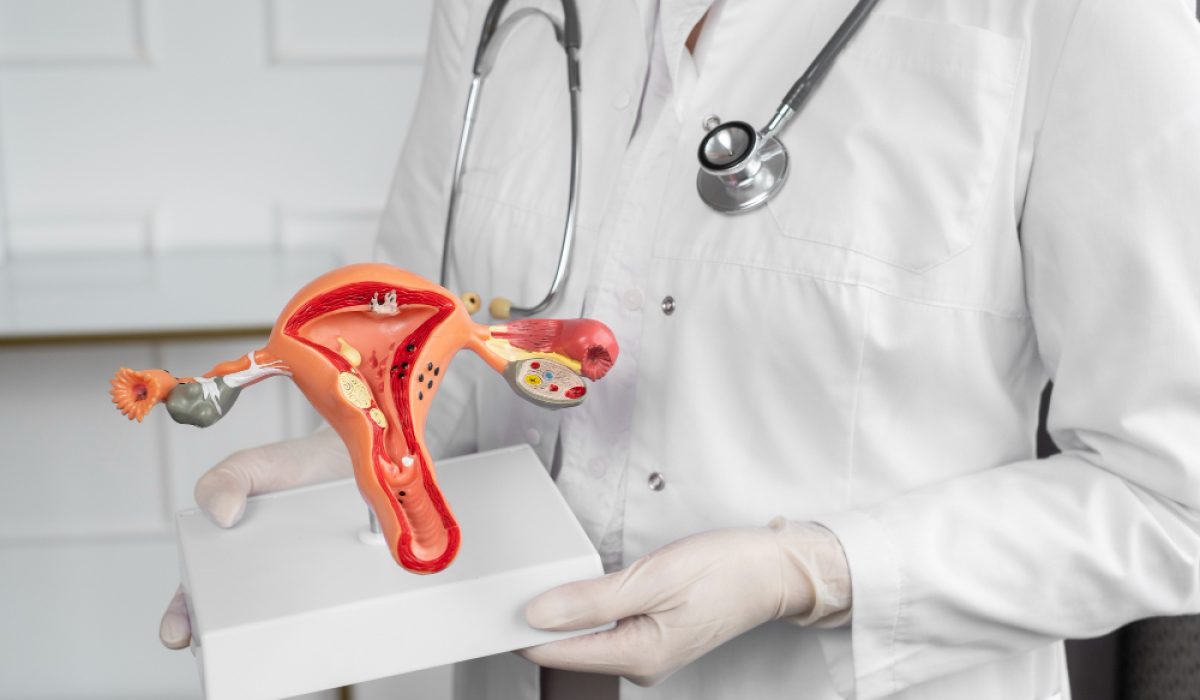
What is Adenomyosis?
Adenomyosis is a condition where the tissue that lines the uterus grows into the muscle wall of the uterus. Because of this, the uterus may become larger and cause pain. Many women experience heavy periods and cramps. Although it is not life-threatening, it can affect daily life. According to the World Health Organization, adenomyosis is common in women aged 30 to 50.
Common Symptoms of Adenomyosis
Many women with adenomyosis have no symptoms. However, some may notice changes. For example, you may feel pain or discomfort. Below are common adenomyosis symptoms:
Sometimes, these symptoms can be mistaken for other conditions. Therefore, it is important to talk to a doctor if you notice these signs.
Causes and Risk Factors
The exact cause of adenomyosis is not clear. However, experts believe several factors may play a role. For instance, hormone changes can affect the uterus. In addition, past surgeries like a C-section may increase risk. Here are some known risk factors:
Even though these factors increase risk, adenomyosis can happen to anyone with a uterus.
How is Adenomyosis Diagnosed?
Doctors use several methods for adenomyosis diagnosis. First, they ask about your symptoms and medical history. Next, they may do a pelvic exam. Often, imaging tests help confirm the diagnosis. For example, an ultrasound or MRI can show changes in the uterus. Sometimes, doctors may rule out other conditions like fibroids or endometriosis. Although there is no single test, a combination of exams helps find the cause of your symptoms.
Non-Surgical Treatment Options
Many women want to avoid surgery. Luckily, there are non-surgical treatment options for adenomyosis. These treatments aim to reduce pain and heavy bleeding. Here are some common choices:
Because each person is different, your doctor will help choose the best non-surgical treatment for adenomyosis. Sometimes, a mix of treatments works best.
Lifestyle Tips for Managing Adenomyosis
In addition to medical treatments, lifestyle changes can help manage adenomyosis pain. For example, you can try the following tips:
Although these tips do not cure adenomyosis, they can make daily life easier. Always talk to your doctor before starting new routines.
Prevention and When to See a Doctor
Currently, there is no sure way to prevent adenomyosis. However, early diagnosis and treatment can help reduce symptoms. If you notice heavy periods, severe cramps, or pelvic pain, you should see a doctor. In addition, if your symptoms affect your daily life, do not wait to get help. Early care can improve your quality of life.
In summary, adenomyosis can cause pain and heavy periods, but non-surgical treatments and lifestyle changes can help. Consult a gynecologist for personalized advice on managing adenomyosis.