Introduction
Pregnancy is a special time in a woman’s life. It is important to take care of both your health and your baby’s health. Prenatal care means regular check-ups and advice from your doctor during pregnancy. With the right prenatal care tips, you can enjoy a healthy pregnancy. This pregnancy health guide will share healthy pregnancy advice, including nutrition, tests, and self-care. Early and regular prenatal care can help prevent problems and keep you and your baby safe.
What Is Prenatal Care?
Prenatal care is the medical support you get while you are pregnant. It includes doctor visits, tests, and advice on how to stay healthy. For example, your doctor may check your blood pressure, weight, and baby’s growth. Prenatal care also covers important topics like nutrition, exercise, and safe medicines. In addition, your doctor will answer your questions and help you prepare for birth.
Why Prenatal Care Matters During Pregnancy
Regular prenatal care is very important. It helps find and treat problems early. For instance, your doctor can spot high blood pressure or diabetes. Early care can also lower the risk of birth defects and other issues. Moreover, prenatal care gives you a chance to learn about your baby’s growth. It also helps you get ready for labor and delivery. According to the CDC, women who get early and regular prenatal care are more likely to have healthy babies.
Essential Prenatal Care Tips for a Healthy Pregnancy
Common Prenatal Tests and Screenings
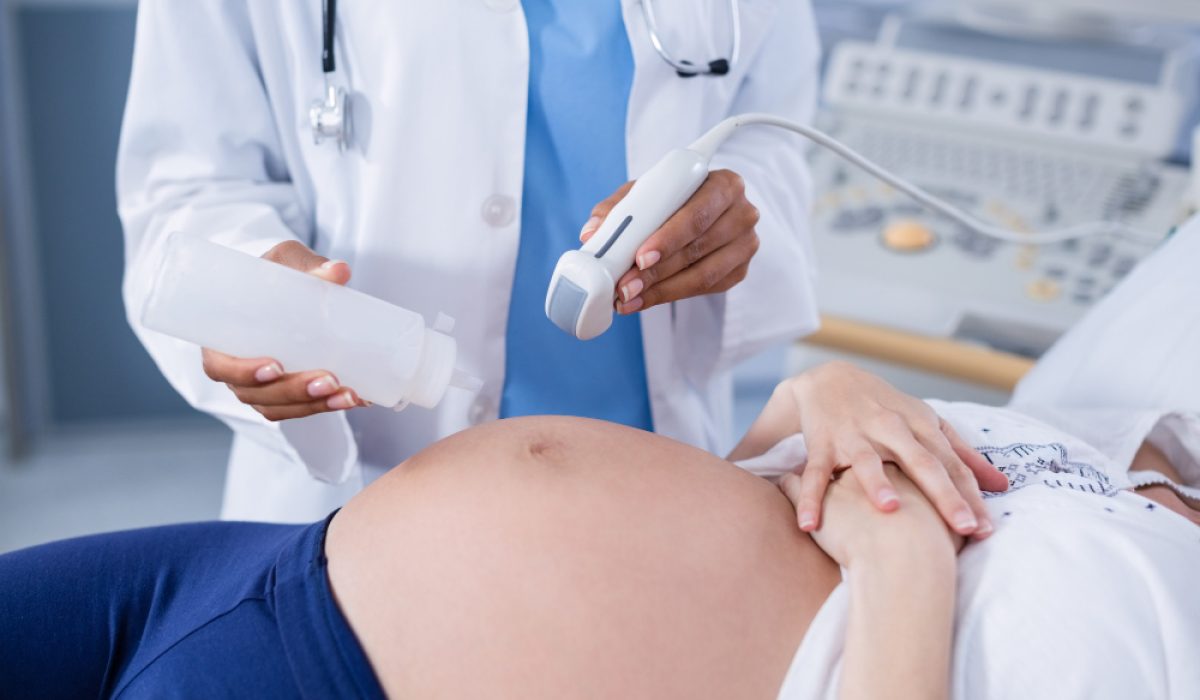
During pregnancy, your doctor will suggest some tests. These tests help check your health and your baby’s health. For example, you may have blood tests to check for anemia or infections. Ultrasound scans show your baby’s growth and position. In addition, some tests check for birth defects or genetic problems. Your doctor will explain each test and why it is needed. Early tests can help find problems so you can get the right care.
Nutrition and Lifestyle Guidance for Expecting Mothers
Good nutrition is key for a healthy pregnancy. You need more vitamins and minerals now. For instance, eat foods rich in iron, calcium, and folic acid. Choose lean meats, dairy, nuts, and leafy greens. Also, avoid raw fish, unpasteurized cheese, and too much caffeine. Besides eating well, stay active with gentle exercise. However, always check with your doctor before starting new activities. Managing stress and getting enough sleep are also important for you and your baby.
Warning Signs to Watch For
Sometimes, problems can happen during pregnancy. It is important to know the warning signs. If you notice any of these, call your doctor right away:
Early action can help keep you and your baby safe.
Prevention and Self-Care Strategies
Taking care of yourself is the best way to prevent problems. For example, wash your hands often to avoid infections. Get all recommended vaccines, like the flu shot. In addition, avoid contact with people who are sick. Wear a seatbelt when riding in a car, but place the strap below your belly. If you feel stressed, try deep breathing or gentle yoga. Remember, small steps each day can make a big difference for a healthy pregnancy.
For the best results, always consult a healthcare provider for personalized prenatal care advice.
Sources: Centers for Disease Control and Prevention (CDC)