Introduction
Fibroadenoma is a common benign breast lump. It often affects young women, but anyone can develop it. Because it is not cancer, fibroadenoma usually does not pose a serious health risk. However, finding a lump in your breast can be worrying. For this reason, knowing about fibroadenoma is important. This guide explains fibroadenoma symptoms, causes, diagnosis, and treatment options. It also offers tips for prevention and when to see a doctor.
Symptoms
Most fibroadenomas do not cause pain. Still, you may notice certain signs. For example, you might feel a small, round lump in your breast. Often, this lump moves easily under your skin. It usually feels firm or rubbery. In many cases, the lump is painless. However, some people may feel mild discomfort, especially before their period. Here are common fibroadenoma symptoms:
If you notice any new lump, it is important to get it checked. Even though most lumps are benign, early evaluation is best.
Causes and Risk Factors
Doctors do not know the exact cause of fibroadenoma. However, hormones seem to play a role. For instance, fibroadenomas are more common during reproductive years. They may also grow during pregnancy or with hormone therapy. Some risk factors include:
Although these factors may increase risk, anyone can develop fibroadenoma. Still, knowing your risk can help you stay aware.
Diagnosis
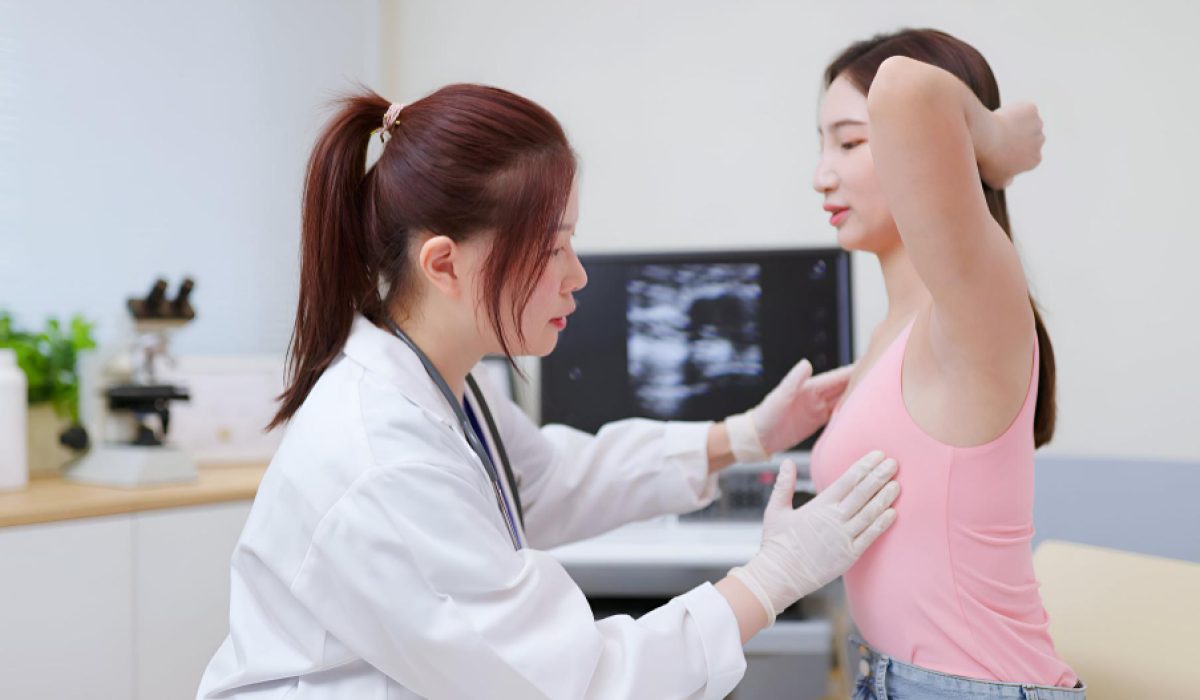
Early diagnosis of fibroadenoma is important. First, your doctor will ask about your symptoms and perform a breast exam. If a lump is found, further tests may be needed. For example, doctors often use imaging tests to learn more. Common fibroadenoma diagnosis steps include:
According to the CDC and WHO, these tests help confirm if the lump is benign. Most fibroadenomas are not cancerous. However, a biopsy may be needed to be sure.
Treatment Options
Many fibroadenomas do not need treatment. If the lump is small and not changing, your doctor may suggest regular check-ups. However, treatment may be needed if the lump grows or causes discomfort. Fibroadenoma treatment options include:
Most people recover quickly after treatment. Still, it is important to follow your doctor’s advice. In some cases, fibroadenomas can return, so ongoing monitoring is helpful.
Prevention and Lifestyle Guidance
There is no sure way to prevent fibroadenoma. However, healthy habits may support breast health. For instance, you can:
Additionally, staying aware of changes in your breasts is key. If you notice anything new, seek medical advice right away.
When to See a Doctor
It is always wise to see a doctor if you find a new breast lump. Even though most lumps are benign, only a doctor can confirm this. You should also seek care if:
Early evaluation helps rule out serious conditions and gives peace of mind.
Conclusion
In summary, fibroadenoma is a common benign breast lump. While it is not cancer, it is important to know the symptoms and seek proper diagnosis. Treatment options are available if needed. Above all, consult a specialist for personalized guidance. Your doctor can help you make the best choices for your health.